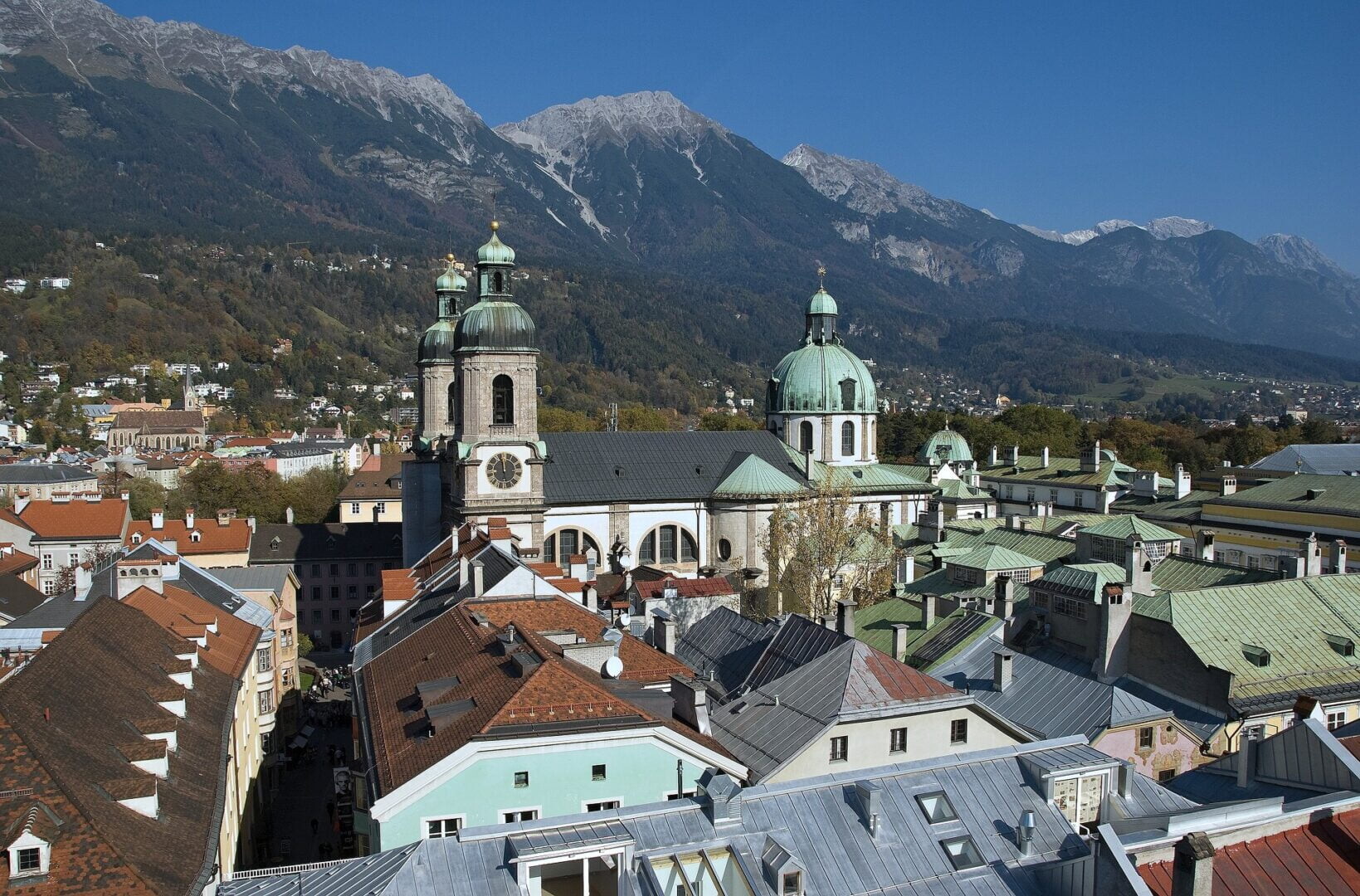
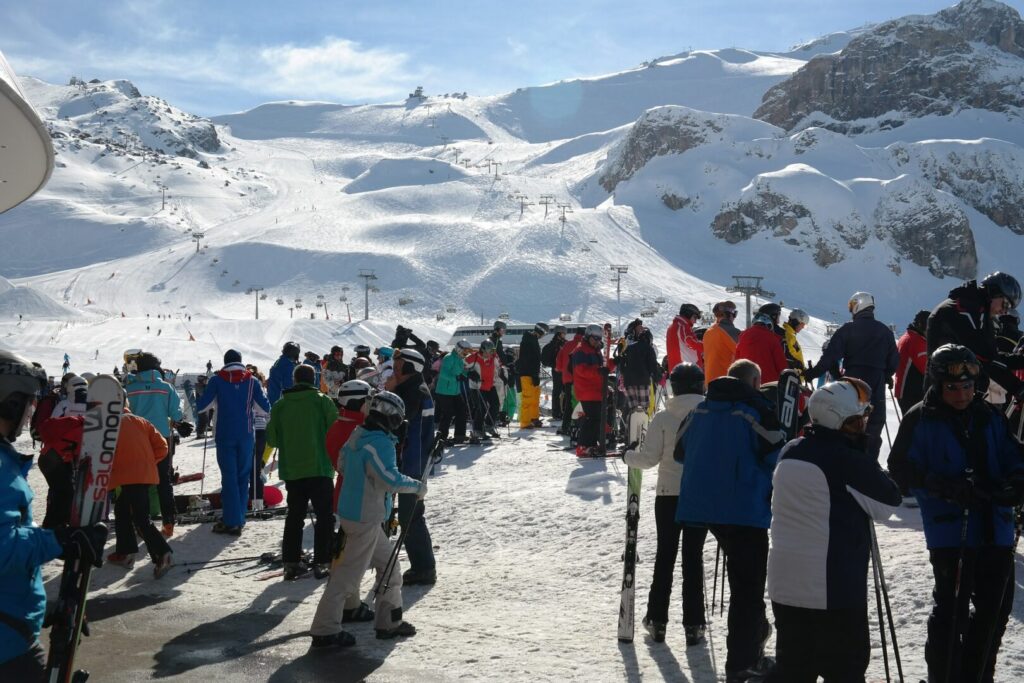
With its long history, Alpine setting, and close proximity to sensitive high-mountain ecosystems, Innsbruck is an ideal location for an event such as IALB. Inspired by the surrounding mountains, which rise to elevations of 2,500 metres and beyond, participants can look forward to stimulating interdisciplinary discussions. 😉
Innsbruck’s academic history stretches back to 1669, when Emperor Leopold I founded a fully fledged university with four faculties. After more than 350 years of ups and downs, the University of Innsbruck (Leopold-Franzens-Universität) is now the largest academic institution in western Austria, with 16 faculties, more than 5,000 employees and around 27,000 students.
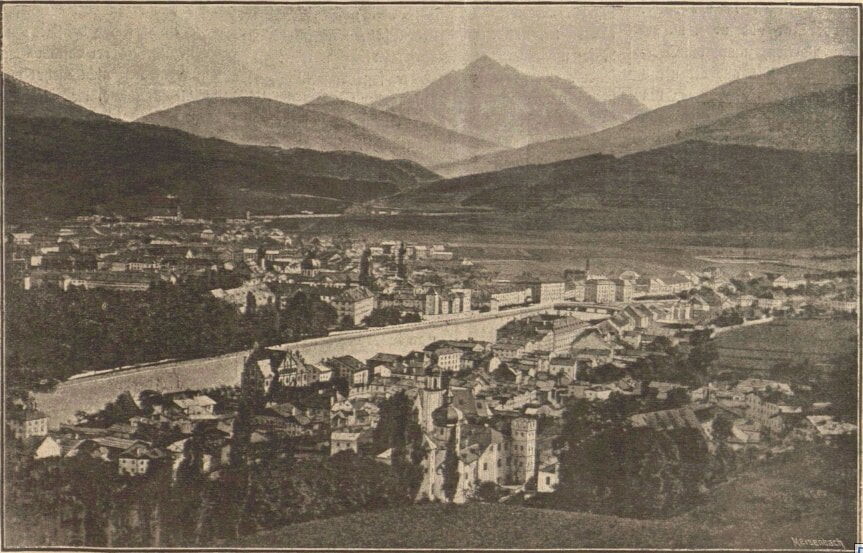
From Settlement to Provincial Capital
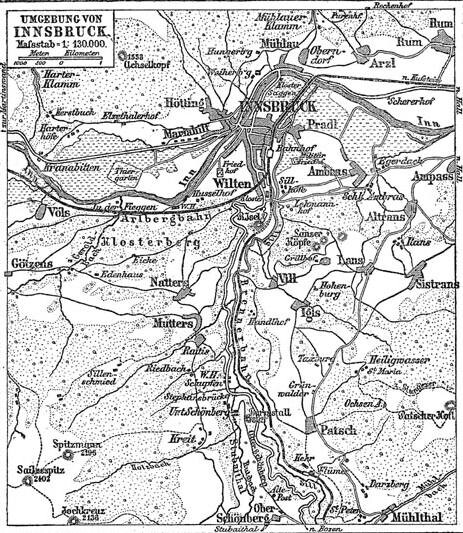
The area around Innsbruck was already inhabited in the Neolithic period. Over time, the Inn Valley – and Innsbruck in particular – became an increasingly important stopping point for travellers crossing the Alps, as it lies along the Munich–Brenner–Bolzano route, one of the easiest and lowest north–south crossings of the Alpine chain.
Emperors and kings also valued the city as a summer residence, contributing to its growing political importance. After several centuries of development, Innsbruck officially became the capital of Tyrol in 1849.
A New Era Begins with Tourism
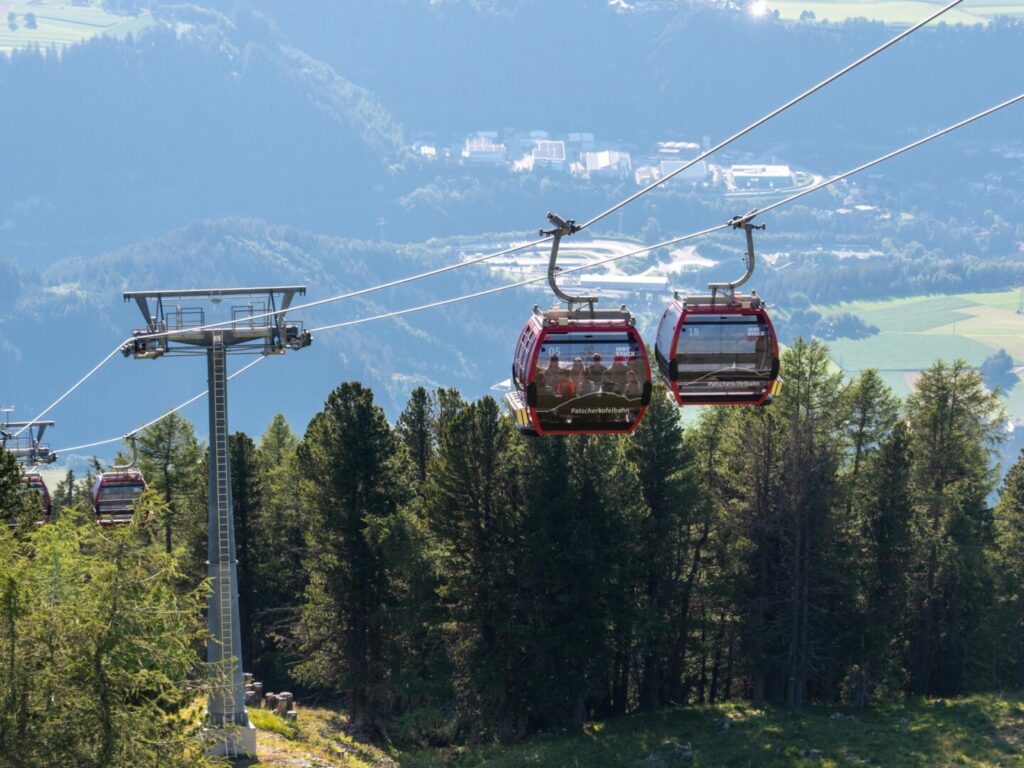
While the city’s culture and cultural institutions have a long history, mass tourism is largely a development of the 20th century. Nearby ski resorts, sports and leisure parks, and other tourist attractions brought a sharp increase in visitor numbers. This growth was accompanied by the construction of numerous new accommodation facilities.
Day visitors also enjoy the city’s distinctive atmosphere. Innsbruck is easily accessible from neighbouring countries by train, bus or car, as well as via the Inn Cycle Path.
The Story Continues
Today, Innsbruck has around 120,000 inhabitants, numerous schools at different educational levels, western Austria’s largest university, many tourist attractions and a distinctive Alpine atmosphere that is hard to find elsewhere.
Nevertheless, challenges such as excessive traffic, the impacts of climate change and mass tourism call for socially responsible solutions. Especially in the sensitive Alpine region, it becomes clear how closely nature, human activities and quality of life are intertwined – and how urgently integrated, science-based approaches are needed.
To use this interactive element, please enable the “Others” cookie category. Data may be exchanged between your browser and external third-party providers.
We are processing your request…
Just a few seconds — thanks for your patience…
Almost done — preparing everything for you…
Huuuh… this seems to be a difficult thing 🤔
I’m not sure if I can manage this right now…
Please refresh the page — I think something went wrong.
If this happens again, please get in touch with us.